PROBLEM
Most polyurethane (PU) foams, including rigid insulation boards, spray foam, and flexible foams used in furniture and mattresses—are produced from petroleum-based feedstocks. These materials rely on non-renewable resources, generate significant greenhouse gas emissions, and are difficult to recycle at the end of their life cycle.
As a result, millions of tons of polyurethane foam waste are sent to landfills each year, creating major environmental and sustainability challenges. The polyurethane industry is actively seeking sustainable alternatives to virgin petrochemical polyols.
SOLUTION
Polycycle has developed a proprietary chemical recycling technology that converts waste polyurethane foam—including discarded mattresses, furniture foam, and rigid PU insulation—into a high-value recycled polyol called PolyCycle Polyol.
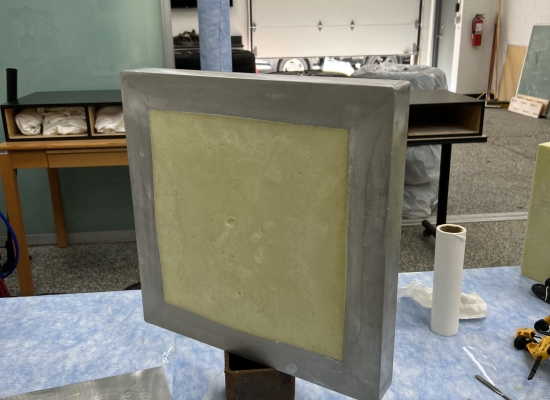
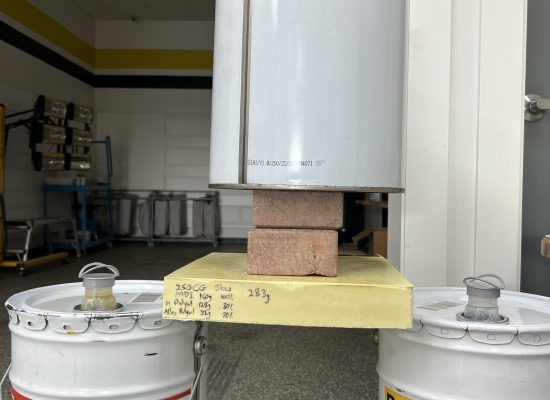
PolyCycle Polyol can be directly used in the production of rigid polyurethane foam, partially replacing conventional petroleum-based polyols while maintaining comparable performance and material properties.
This technology transforms PU waste into valuable raw materials, supporting the circular economy in the polyurethane industry.
FEATURE
PU Foam Solutions
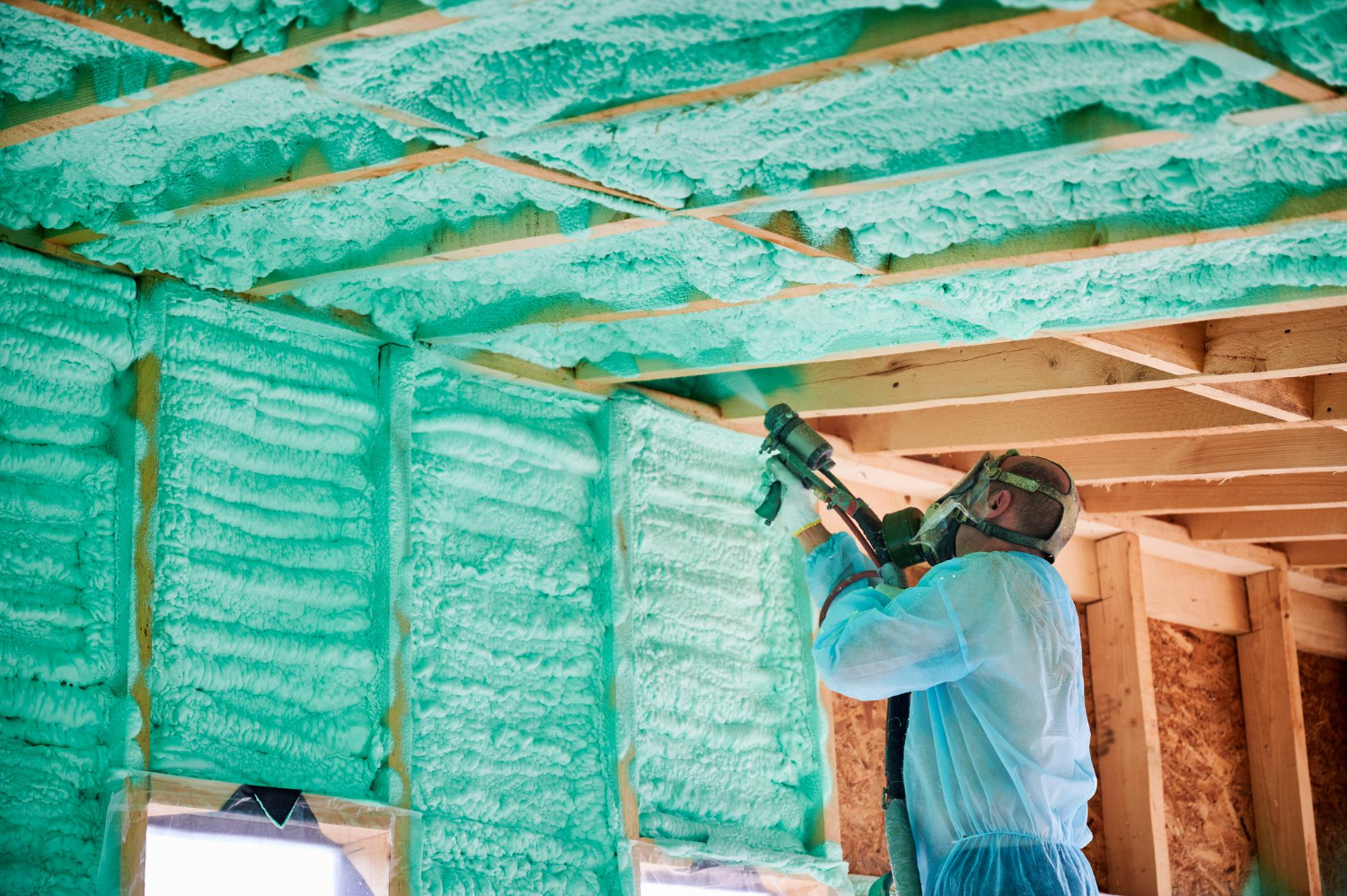
SPRAY PU FOAM INSULATION
High-performance spray foam solutions for superior insulation, airtightness, and energy efficiency in residential and commercial buildings...
RIGID PU FOAMS
Custom rigid polyurethane foam products engineered for thermal performance, durability, and a wide range of construction applications...
CHEMICAL RECYCLING
Innovative chemical recycling technology that transforms polyurethane foam waste into valuable recycled polyols for new production...
TECHNOLOGY
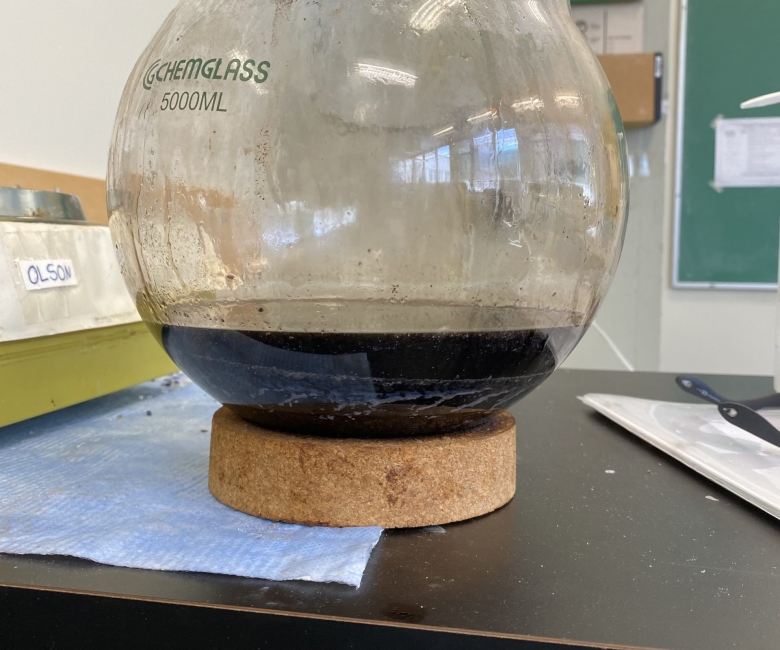
PEI’s proprietary process uses an advanced chemical recycling method to break down waste rigid and flexible polyurethane foam into reusable polyol products.
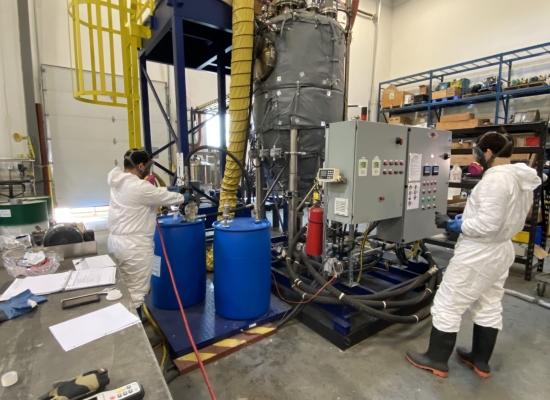
The technology has already been demonstrated at multiple scales:
• Laboratory scale: 7-liter reactor
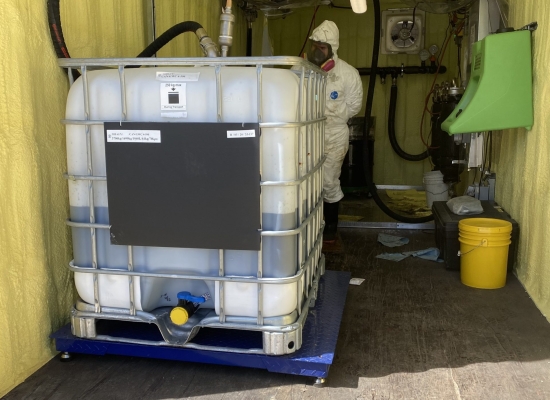
• Pilot plant scale: 1-metric-ton reactor
The pilot system has been designed to replicate the key parameters required for commercial production, with an estimated capacity of approximately 5 metric tons per 8-hour shift in a commercial facility.
Testing has confirmed efficient chemical conversion of PU foam waste into PolyCycle Polyol.
PRODUCT PERFORMANCE
PolyCycle Polyol exhibits physicochemical properties comparable to commercially available petroleum-based polyols used in the polyurethane industry.
Testing has demonstrated that:
• Up to 40% of conventional petroleum-based polyol can be replaced with PolyCycle Polyol
• The material can be blended seamlessly with existing commercial polyols
• The recycled polyol
performs well in rigid polyurethane foam production
This allows manufacturers to reduce reliance on petrochemical feedstocks without major process changes.
ENVIOREMNTAL & ECONOMIC IMPACT
PEI’s technology offers significant environmental and economic benefits:
• Diverts large volumes of polyurethane waste from landfills
• Supports circular economy solutions for the PU industry
• Reduces greenhouse gas emissions
• Decreases reliance on petroleum-derived chemicals
• Creates new green manufacturing jobs
BUSINESS MODEL
PEI’s business model focuses on converting waste polyurethane foam into high-value recycled polyols used in rigid polyurethane foam manufacturing.
The process consists of three key stages:
1. Collection and sorting of waste polyurethane foam
2. Chemical recycling to produce PolyCycle Polyol
3. Manufacturing rigid polyurethane foam products using recycled polyol